What Is Endometriosis?

Endometriosis occurs when tissue similar to the lining of the womb grows outside the uterus, often affecting the ovaries, fallopian tubes, or the ligaments supporting the womb. This tissue behaves like the uterine lining, thickening and shedding with each menstrual cycle. However, instead of leaving the body, it becomes trapped, causing pain, inflammation, and sometimes infertility.

While the exact cause of endometriosis is unknown, factors such as retrograde menstruation, genetics, and spontaneous tissue development are believed to contribute.

How Endometriosis Impacts Your Life

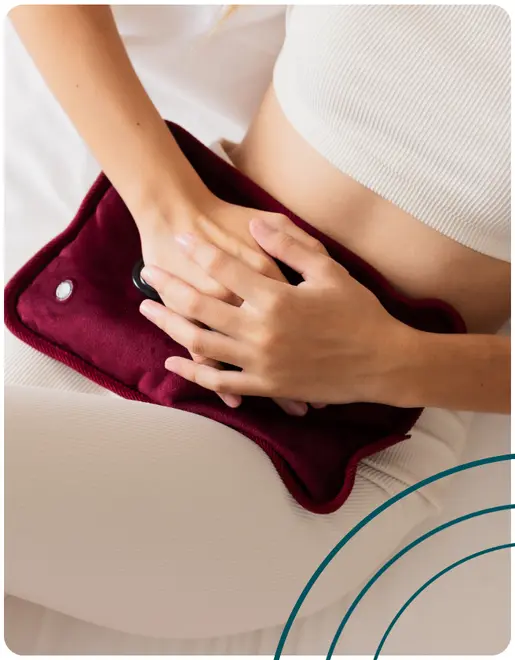
Endometriosis can manifest in a variety of symptoms, including:

  • Severe pain during or before periods.
  • Pain during intercourse (deep dyspareunia).
  • Pain when passing bowel motions (dyschezia).
  • Heavy or irregular menstrual bleeding.
  • Infertility or difficulty conceiving.


For some women, endometriosis can also cause general pelvic discomfort or fatigue, significantly impacting daily life and emotional well-being.

What Causes Endometriosis?

While the exact cause of endometriosis remains unclear, several factors may increase the likelihood of developing the condition. Retrograde menstruation, where menstrual blood flows back through the fallopian tubes into the pelvic cavity, is one possible cause. Genetics also play a role—having a mother or sister with endometriosis increases your risk. Rarely, endometriosis tissue can appear in unusual locations like the lungs or kidneys. Importantly, endometriosis is not linked to cancer and can often be managed effectively with the right treatment.

Personalised Care for Endometriosis

Non-Surgical Options

For women not trying to conceive, treatments often focus on managing symptoms:

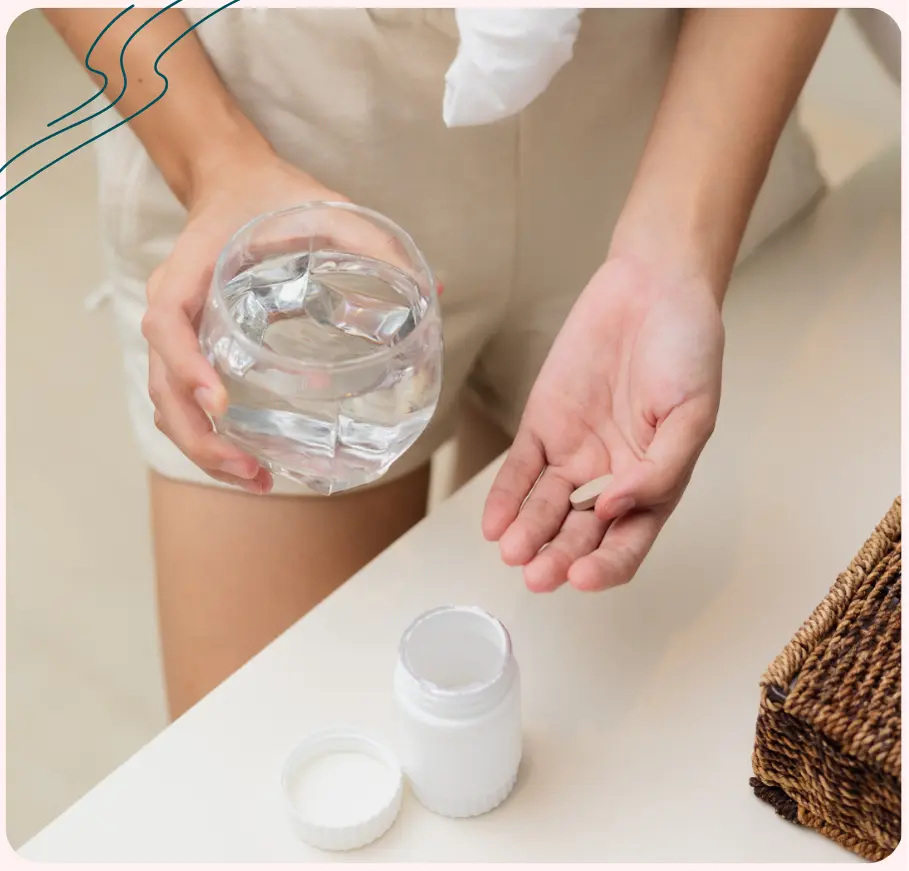
  • Pain Relief: Medications to reduce period pain and bleeding.
  • Hormonal Therapy: Options include the combined contraceptive pill, progesterone-only treatments (such as Mirena, Kyleena, or Jaydess devices), and hormonal injections like GnRH analogues. These therapies reduce the activity of endometrial tissue, alleviating symptoms and improving quality of life.
  • Non-Hormonal Options: For women who cannot take hormonal treatments, alternatives such as anti-inflammatory medications and lifestyle changes can provide relief.

Personalised Care for Endometriosis

Surgical Options

Surgical intervention may be necessary for severe endometriosis or when fertility is a priority. Laparoscopic (keyhole) surgery can remove scar tissue, free adhesions, and improve pelvic mobility. This approach may also help with conditions like a ‘frozen pelvis,’ where adhesions restrict movement and cause deep pelvic pain.

Personalised Care for Endometriosis

Advanced Fertility Care

For women facing fertility challenges, treatments such as IVF (in vitro fertilisation) can offer hope. This process involves fertilising the egg outside the body and implanting the embryo into the womb, bypassing the complications caused by endometriosis.

Your Journey with Endometriosis

Managing endometriosis goes beyond treating physical symptoms. Emotional support, counselling, and tailored lifestyle advice can make a significant difference.

We also offer the option of inserting devices like the Mirena under sedation or general anaesthetic for those who need additional comfort during procedures.

Our goal is to provide compassionate, holistic care at every stage of your journey.

Your Endometriosis Questions Answered

While the exact cause isn’t fully understood, factors such as retrograde menstruation, genetics, and spontaneous tissue development are believed to play a role.

There is no cure, but with the right treatments, symptoms can be effectively managed, and quality of life improved.

Yes, endometriosis can impact fertility, but many women with the condition conceive naturally or with assistance such as IVF.

Laparoscopic surgery is commonly used to remove scar tissue, free adhesions, and improve pelvic function, often reducing pain and improving fertility.

No, some women with endometriosis may have mild or no symptoms, while others experience severe pain and discomfort.

Retrograde menstruation occurs when menstrual blood, which contains uterine lining cells, flows backward through the fallopian tubes into the pelvic cavity instead of exiting the body through the vagina. This backward flow allows the uterine lining cells to attach to other structures in the pelvis, such as the ovaries, fallopian tubes, or bladder, where they can grow and behave like endometrial tissue. Retrograde menstruation is thought to be one of the possible causes of endometriosis, though not all women with retrograde menstruation develop the condition.

Take Control of Your Endometriosis Today

Endometriosis doesn’t have to define your life. With the right diagnosis, treatment, and support, you can manage your symptoms and regain control of your health. Let our expert team guide you every step of the way.