Pelvic Pain

Pelvic Pain is a condition that can significantly impact your daily life whether your pain is occasional or chronic.

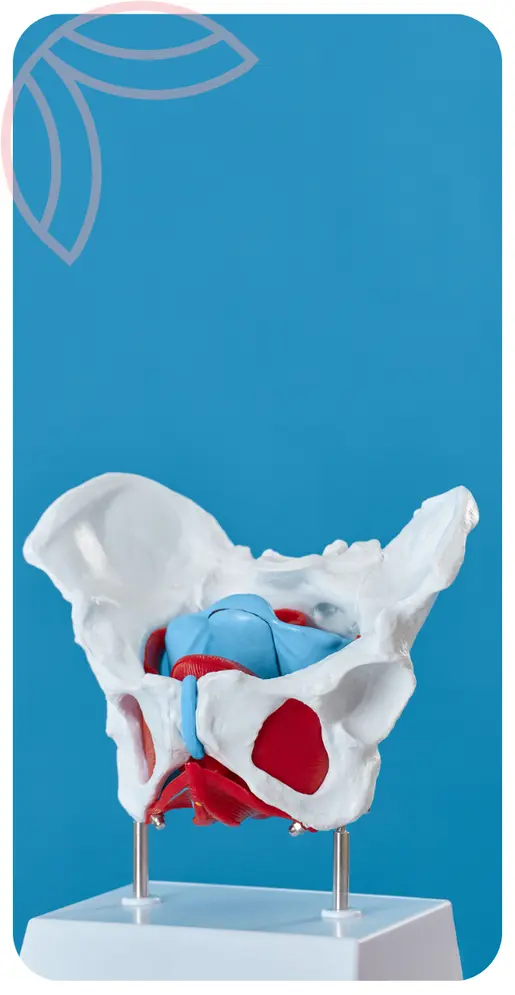
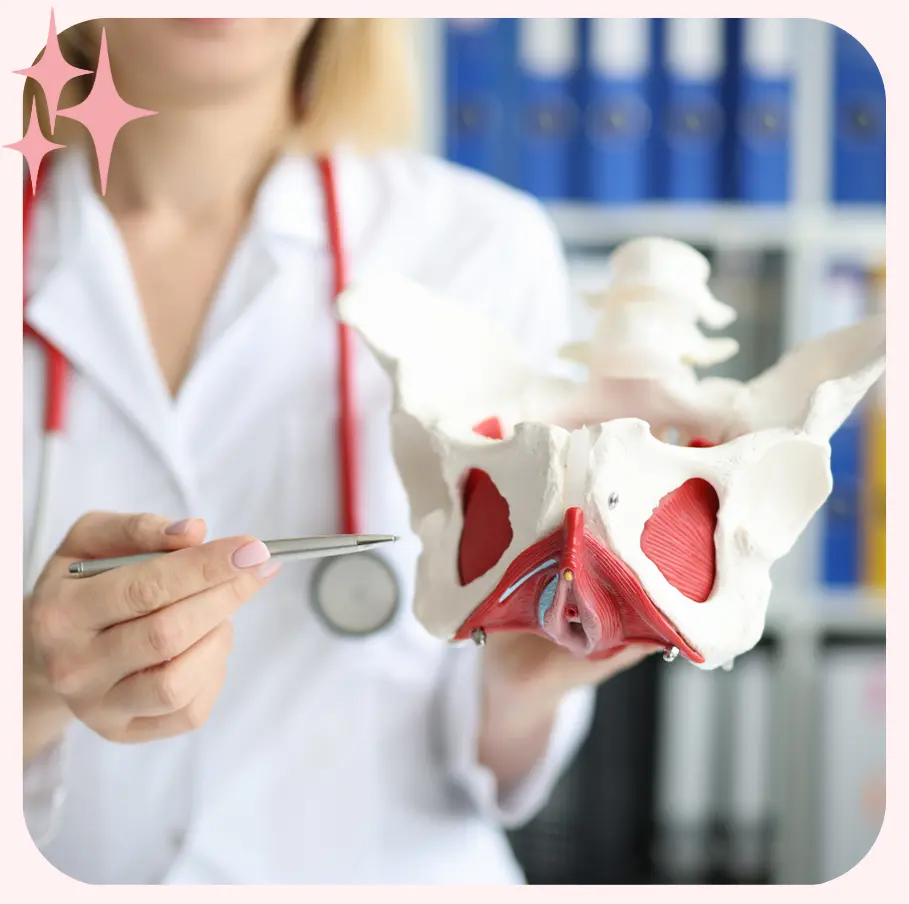
We use the term “pelvic pain” when we refer to discomfort in the lower abdomen and pelvic area, which can range from mild to severe and may be acute (short-term) or chronic (lasting six months or more). This type of pain can affect various organs, including the uterus, ovaries, bladder, or bowels, and can be caused by various conditions.

Causes of Pelvic Pain

Pelvic pain can stem from several different causes, and understanding the source of your discomfort is the first step toward effective treatment. Common causes of pelvic pain include:

Endometriosis

A condition where tissue very similar to the endometrial tissue that lines the uterus grows outside of it, causing pain and inflammation around the body.

Pelvic Inflammatory Disease (PID)

An infection of the reproductive organs that can result from untreated sexually transmitted infections (STIs).

Fibroids

Noncancerous growths in the uterus that can cause pain and heavy bleeding.

Ovarian Cysts

Fluid-filled sacs that can form on the ovaries, sometimes causing sharp pain.

Causes of Pelvic Pain Continued

Urinary Tract and Bladder Issues

Conditions like interstitial cystitis or recurrent urinary tract infections.

Irritable Bowel Syndrome (IBS)

A gastrointestinal disorder that can cause pelvic discomfort along with digestive symptoms.

Musculoskeletal Problems

Issues like pelvic floor dysfunction or tension in the muscles around the pelvis.

In The Spotlight: Fibroids

Fibroids, also known as uterine leiomyomas, are non-cancerous growths that develop in or around the uterus. They are incredibly common, particularly in women of reproductive age, and their size and location can vary significantly. While some fibroids are small and cause no symptoms, others can grow larger and lead to noticeable health issues, including pelvic pain.

How Do Fibroids Cause Pelvic Pain?

The pain associated with fibroids often depends on their size and position within the uterus. Fibroids can press on surrounding organs, such as the bladder or bowel, leading to a sensation of pressure or fullness in the pelvic region. They may also cause cramping or sharp pain, particularly during menstruation, as the uterus contracts to shed its lining. For some women, the pain can be constant, disrupting daily activities and affecting their overall quality of life.

Dr. Conlon and her team offer a range of treatment options, from non-invasive medications to advanced surgical interventions, depending on the severity of your symptoms and your personal preferences. Their compassionate, patient-centred approach ensures that you feel supported every step of the way.

Our Approach to Diagnosing Pelvic Pain

we take a holistic approach to diagnosing pelvic pain. We understand that each case is unique, so we start with a thorough evaluation that includes:

  • Detailed Medical History: We listen carefully to your symptoms and past medical history to identify patterns.
  • Physical Examination: A pelvic exam and other physical assessments to help locate the source of the pain.
  • Imaging Tests: Ultrasounds, MRI, or CT scans to visualise the pelvic organs and check for abnormalities.
  • Laboratory Tests: Blood and urine tests to detect infections or hormonal imbalances.
  • Laparoscopy: A minimally invasive procedure that allows our specialists to examine your pelvic organs and potentially treat certain conditions.

Personalised Treatment Options for Pelvic Pain

Once the underlying cause of your pelvic pain is identified, we develop a customised treatment plan designed to relieve pain and improve your quality of life. Treatment options may include:

Medications

Anti-inflammatory drugs, hormonal treatments, or antibiotics for infections.

Physical Therapy

Pelvic floor therapy to strengthen muscles and relieve tension that may contribute to pain.

Minimally Invasive Surgery

Procedures such as laparoscopy to remove fibroids, cysts, or treat endometriosis.

Pain Management

Techniques like nerve blocks, or alternative therapies such as acupuncture.

Lifestyle Modifications

Dietary changes, stress management, and exercise recommendations to help manage symptoms.

Compassionate Care for Chronic Pelvic Pain

Living with chronic pelvic pain can affect not only your physical health but also your emotional well-being and may benefit from:

Counselling Service

To help you cope with the emotional and psychological effects of chronic pain.

Holistic Treatments

Such as mindfulness, yoga, and relaxation techniques to complement medical treatment.