
Contraception

Choosing the right method of contraception is a personal decision that deserves careful thought and consideration. Your choice may be shaped by factors such as your health, lifestyle, and future family plans, and these needs can evolve over time, requiring a fresh look at your options as life changes.

Understanding the importance of this decision, we provide compassionate, expert support to guide you every step of the way. Schedule an appointment to explore your contraceptive options with a specialist who will provide personalised advice tailored to your individual circumstances and goals.

Know The Facts

Understanding all your options for contraception is essential to making an informed and confident decision that aligns with your health, lifestyle, and future plans. From short-term solutions to long-lasting methods, each option comes with its own benefits and considerations. By exploring the pros and cons of different contraceptives, you can choose the one that best supports your individual needs and empowers you to take control of your reproductive health.

Combined Pill

The combined pill, often simply called "the pill," is more than 99% effective when used correctly. It contains both oestrogen and progestogen and primarily works by preventing ovulation.
Pro's

Con's

Progestogen Only Pill (POP)

Known as the "mini-pill," the POP contains only progestogen. It’s over 99% effective if taken correctly and is a good alternative for those who can’t take the combined pill.

Pro's

Con's

Barrier Methods

Barrier methods include male condoms, female condoms, diaphragms, and caps, which prevent sperm from entering the uterus.
Pro's

Con's

Contraceptive Injections (e.g., Depo-Provera)

Contraceptive injections contain a progestogen hormone that is slowly released into the body, and they are over 99% effective.
Pro's

Con's

Contraceptive Implants (e.g., Implanon)

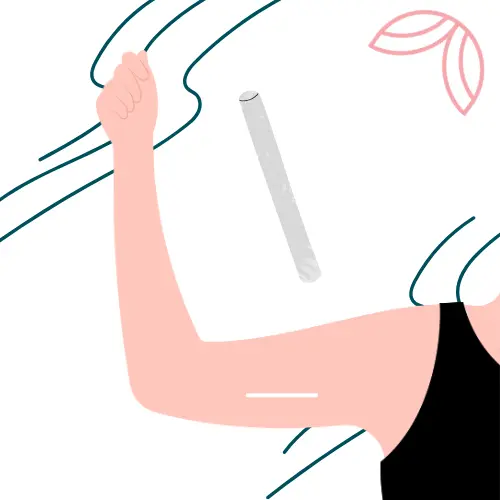
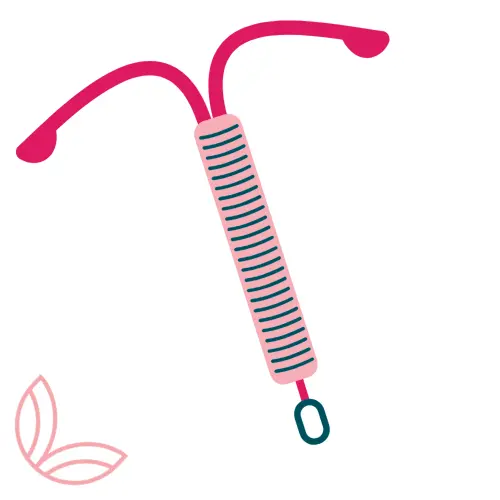
A small device placed under the skin, the implant releases progestogen and is more than 99% effective for up to 3 years.
Pro's

Con's

Hormone-Releasing Intrauterine Device (e.g., Mirena)

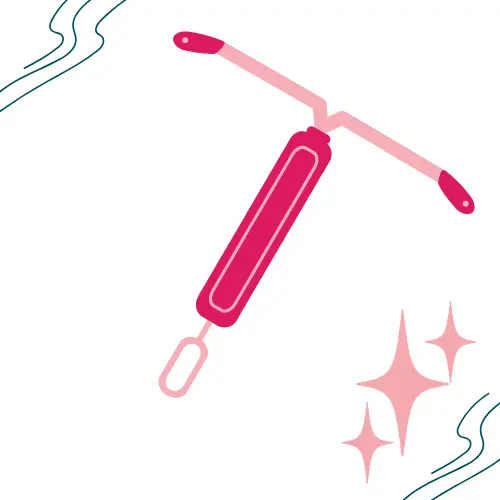
The IUS releases progestogen slowly and consistently, and is more than 99% effective. It’s also used to treat heavy periods.
Pro's

Con's

Intrauterine Device (IUD)

A plastic and copper device placed in the uterus, an IUD lasts for 5 or more years and is very effective.

Pro's

Con's

Natural Methods

Natural methods involve tracking fertility indicators like body temperature and cervical secretions. When done correctly, they can be effective.
Pro's

Con's

Sterilisation

Sterilisation involves a surgical procedure that is more than 99% effective. Vasectomy is male sterilisation, and female sterilisation prevents the egg from travelling to meet the sperm.
Pro's

Con's

Emergency Contraception

Emergency contraception can be used after unprotected sex or contraceptive failure, such as a split condom or missed pills.

Pro's

Con's

Schedule Your Appointment Today

Contact us to schedule an appointment and discover how our dedicated team can support you on your health journey.