Urinary Incontinence

Living with urinary incontinence can be challenging and deeply personal. Many women experience feelings of frustration, embarrassment, or anxiety, especially when leaks occur unexpectedly. It can impact daily activities, social interactions, and overall confidence.

At Marble Arch Health, we understand how overwhelming this can be, and we’re here to offer compassionate, effective support tailored to your needs, helping you regain control and confidence in your life.

What is Urinary Incontinence?

Urinary incontinence occurs when you lose control of your bladder, leading to leaks at inconvenient times. It’s a condition that affects many women, causing anxiety, hygiene concerns, and impacting daily life. At Marble Arch Health, we provide personalised care to help you manage incontinence and regain confidence in your everyday activities.

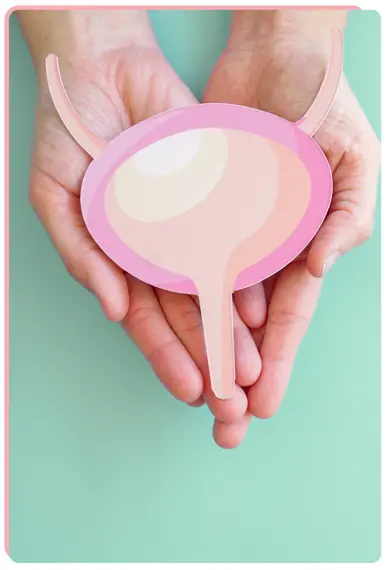
Understanding Your Bladder

Your bladder collects urine produced by your kidneys and empties it through the urethra when full. Urinary incontinence occurs when the bladder or its control mechanisms are not functioning properly, leading to involuntary leaks.

In The Spotlight: Exercise

Can You Exercise with Urinary Incontinence?

Absolutely. Living with urinary incontinence doesn’t mean you have to give up physical activity. In fact, exercise can play a crucial role in managing incontinence by strengthening your pelvic floor muscles, which support your bladder and bowel control. However, it’s important to choose the right types of activities and approaches to feel confident and comfortable while staying active.

How to Exercise Safely

Here are some tips to help you maintain an active lifestyle while managing urinary incontinence:

  • Focus on Low-Impact Activities: Walking, swimming, yoga, and Pilates are gentle on the pelvic floor while keeping you fit.
  • Strengthen Your Pelvic Floor: Pelvic floor exercises, like Kegels, are specifically designed to improve bladder control and reduce leakage.
  • Use Proper Support: Specialised incontinence pads or underwear provide peace of mind during workouts.
  • Mind Your Hydration: Staying hydrated is essential, but avoid excessive fluids right before exercise.
  • Work with a Physiotherapist: Pelvic floor physiotherapists can help tailor exercises to your needs and ensure you’re strengthening the right muscles.

What Causes Urinary Incontinence?

Several factors can contribute to urinary incontinence, including:

During your consultation, we’ll take a detailed medical history and conduct a physical examination. This may include, checking bladder and vaginal health, testing for leakage during specific activities or routine tests such as urine analysis or advanced diagnostics like urodynamic assessments.

Effective Treatments for Urinary Incontinence

We offer a wide range of treatment options tailored to your specific needs, including:

Lifestyle Changes

Diet adjustments, bladder training, and weight management.

Medications

Vaginal oestrogen, Tablets and patches that work with nerves to bladder, or hormone replacement therapy (HRT).

Physiotherapy

Pelvic floor exercises, biofeedback, and vaginal cones.

Minimally Invasive Options

Botulinum toxin (botox) injections, injectable urethral bulking agents, or nerve stimulation.

Surgical Options

Procedures to support the bladder neck or urethra (note: some procedures are unavailable in Ireland).

Types of Urinary Incontinence

Understanding the type of incontinence you experience is crucial for effective treatment. Here are the most common types:

This is when you accidentally leak urine during everyday activities, when there is an increase in pressure from within the abdomen (tummy) such as when coughing, sneezing, laughing or carrying heavy weights. It develops when the normal control mechanism for keeping the outlet of the bladder (urethra) closed is weakened. This can happen when the urethra moves down, out of the normal position (prolapses). This can be brought on by childbirth, hysterectomy and during the menopause, when the pelvic floor muscles are weakened

With this type, there is a strong urge to pass frequent, small amounts of urine. This is caused by the muscle of the bladder wall known as the detrusor muscle – being overactive. This means it contracts to squeeze out urine before the bladder is completely full.

Urge incontinence can also be caused by a bladder infection. Diabetes can cause excessive production of urine and very frequent trips to the toilet

Some women get both urge and stress incontinence. The two may or may not be linked.

This happens when urine held by the bladder builds up to the point where the bladder can no longer expand. It can be caused by an obstruction in the urinary tract or damage to the nerves that supply the bladder

Don't Suffer In Silence

Don’t let urinary incontinence control your life. At Marble Arch Health, our expert team is here to provide compassionate, effective care. To get started, keep a record of your symptoms for seven days before your consultation, including leakage patterns, triggers, and any impact on your daily life.