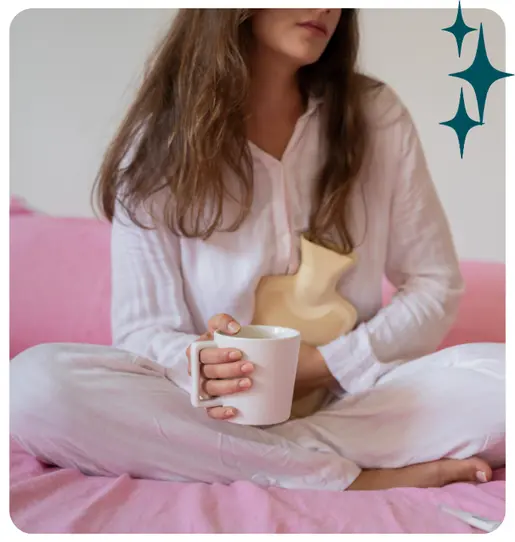
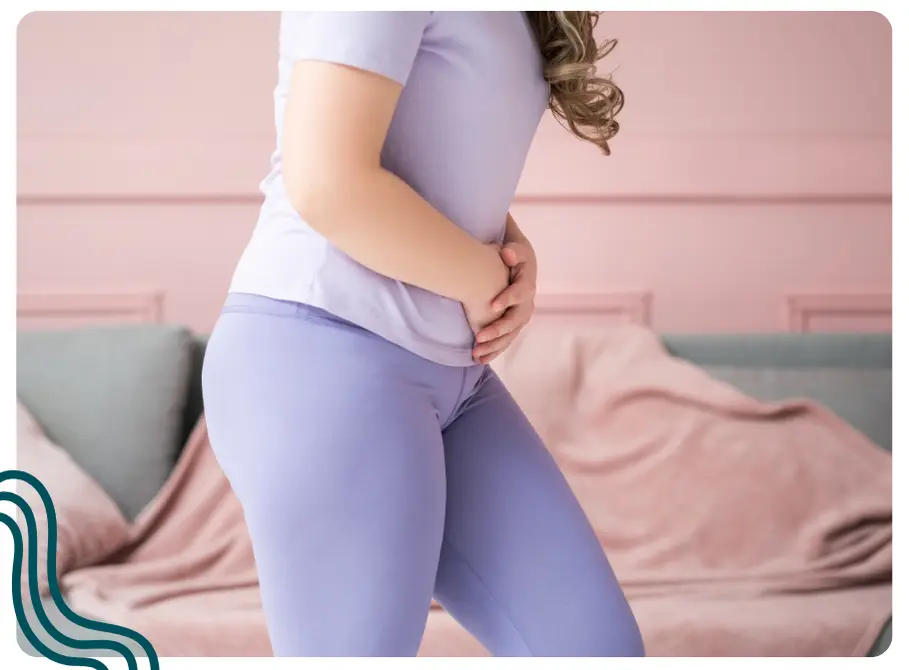
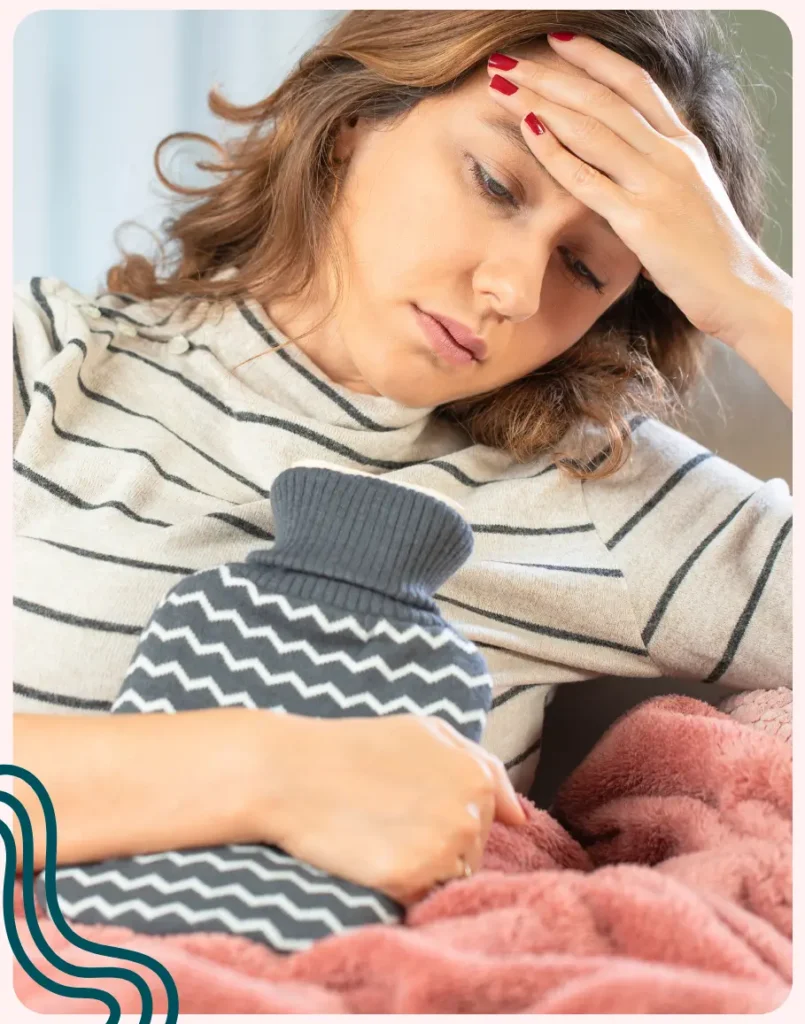
Premenstrual syndrome (PMS), previously referred to as premenstrual tension (PMT), describes a range of emotional, physical, and behavioural symptoms that occur during the luteal phase of the menstrual cycle—the time between ovulation and the start of your period. Symptoms typically resolve once your period begins.
Approximately 90% of women experience some form of PMS, with 35% reporting significant interference with their daily lives. Symptoms often worsen in the mid-thirties and may be influenced by stress, genetics, diet, and chronic health conditions. For some women, severe symptoms may indicate Premenstrual Dysphoric Disorder (PMDD), a more intense form of PMS that requires specialised care.
PMS is associated with over 200 symptoms, but the most common include:
For women with severe symptoms, PMS can significantly disrupt relationships, work, and daily routines. Recognising the impact of PMS is the first step toward finding relief.
If PMS is impacting your quality of life, relationships, or ability to function, it’s time to seek support. Start by tracking your symptoms over 2–3 cycles to identify patterns. Keeping a diary or using a symptom questionnaire (available from organisations like the National Association for Premenstrual Syndrome) can provide valuable insights.
Consulting with a GP or a specialist like Dr. Orla Conlon at Marble Arch Health ensures a thorough diagnosis and access to effective treatments tailored to your needs.
Lifestyle adjustments can play a significant role in reducing PMS symptoms:
When lifestyle changes aren’t enough, medical treatments can help regulate your cycle and reduce symptoms:
Some women find relief through vitamins, minerals, and herbal supplements. While results vary, options to consider include:
It’s important to consult with a healthcare provider before trying supplements, as some herbal products can interfere with medications or cause side effects.
PMS symptoms are typically milder and manageable, whereas PMDD causes intense emotional and physical symptoms that significantly interfere with daily life. Tracking your symptoms and their severity over several cycles can help distinguish between the two. If your symptoms feel overwhelming, consult a specialist for evaluation.
Yes, PMS symptoms often worsen in the mid-thirties, particularly for women approaching perimenopause. Hormonal fluctuations during this time can amplify symptoms, but effective treatments are available.
Lifestyle factors like diet, exercise, and stress management can significantly influence PMS symptoms. Incorporating regular physical activity, reducing caffeine and salt intake, and seeking counselling can all help alleviate symptoms.
While no natural remedy cures PMS, some women benefit from supplements like magnesium, vitamin E, and calcium. Herbal options like Agnus Castus may also help but should be used under medical supervision.
If PMS symptoms are disrupting your life, causing emotional distress, or interfering with relationships, it’s time to seek professional care. Treatment options range from lifestyle changes to medical therapies, ensuring there’s a solution for everyone.
PMS doesn’t have to control your life. With the right diagnosis and personalised care, you can find relief and restore balance. Let Dr. Orla Conlon and the team at Marble Arch Health guide you to a better, more manageable cycle.