What Is PMDD?

Premenstrual Dysphoric Disorder (PMDD) is a severe form of premenstrual syndrome (PMS) that causes significant emotional and physical distress. It occurs during the luteal phase of the menstrual cycle, starting after ovulation and resolving when menstruation begins. Unlike PMS, PMDD symptoms are more intense and often interfere with daily life, relationships, and overall well-being.

Key Symptoms of PMDD

  • Severe mood swings, sadness, or irritability.
  • Persistent feelings of depression or anxiety, sometimes including suicidal thoughts.
  • Physical symptoms like bloating, breast tenderness, headaches, and muscle pain.
  • Fatigue and low energy levels.
  • Sleep disturbances, such as insomnia or oversleeping.


Recognising PMDD and seeking expert care can significantly improve your quality of life.

Meet Ireland’s Leading Authority on PMDD

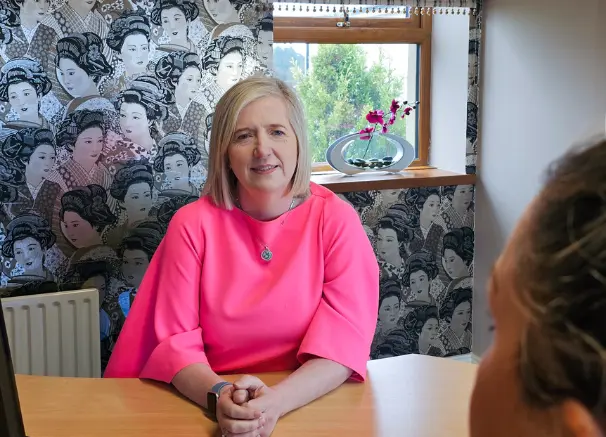
Dr. Orla Conlon is a renowned specialist in women’s health and a trusted expert in the diagnosis and treatment of PMDD. With extensive experience and a compassionate approach, Dr. Conlon is dedicated to helping women overcome the challenges of PMDD through personalised care and cutting-edge treatment options.

A Holistic Approach to Managing PMDD

Step 1: Comprehensive Assessment

Your journey starts with a thorough evaluation of your symptoms and medical history, including:

  • A detailed consultation to understand how PMDD affects your life.
  • A comprehensive questionnaire to provide insights into your physical and emotional health.
  • Diagnostic testing, including hormonal assessments, to rule out other conditions.

Step 2: Personalised Treatment Plans

Based on your assessment, we create a tailored treatment plan to address your unique needs. Options include:

  • Hormonal Treatments: Regulating the second half of your menstrual cycle to reduce symptoms.
  • Medications: Prescribing antidepressants (SSRIs) or other targeted therapies.
  • Lifestyle Modifications: Guidance on nutrition, exercise, and sleep to naturally alleviate symptoms.
  • Therapeutic Support: Access to cognitive-behavioural therapy (CBT) and counselling to address emotional and psychological aspects.
  • Advanced Treatments: For severe cases, we may consider hormonal injections or, in rare instances, surgical options.

Step 3: Ongoing Support

We believe that effective PMDD care requires consistent monitoring and support. Our services include:

  • Regular follow-ups to adjust your treatment plan as needed.
  • Online consultations for flexible, nationwide access to care.
  • Educational resources to help you understand and manage PMDD.

Your PMDD Questions Answered

While PMS and PMDD both occur during the luteal phase of the menstrual cycle, PMDD is a much more severe condition that can deeply impact emotional well-being and quality of life. PMS might cause mild discomfort or mood swings, but PMDD involves intense symptoms such as severe mood swings, depression, anxiety, or even suicidal thoughts. Physical symptoms like debilitating fatigue, bloating, and sleep disturbances are also more pronounced in PMDD. It’s not “just PMS”—PMDD is a recognised medical condition that requires proper diagnosis and treatment.

Diagnosing PMDD involves understanding the timing and severity of your symptoms in relation to your menstrual cycle. We start with a detailed discussion about how your symptoms impact your daily life, alongside a comprehensive questionnaire to capture your physical, emotional, and psychological experiences. Diagnostic tests may also be conducted to rule out other conditions, such as thyroid issues or mental health disorders, that might mimic PMDD. Our approach ensures you feel heard and validated throughout the process, recognising the challenges you’ve faced in seeking answers.

Yes, PMDD can be effectively managed, though it may require a combination of treatments tailored to your unique needs. Hormonal therapies can help stabilise the hormonal fluctuations that contribute to PMDD, while antidepressants (such as SSRIs) can address the emotional symptoms. Lifestyle changes, including nutrition, exercise, and stress management, also play a key role in reducing symptoms. For those experiencing severe PMDD, advanced treatments like hormonal injections or, in rare cases, surgical interventions may be considered. No matter the severity of your condition, we are here to support you with a multidisciplinary approach designed to improve your quality of life.

Your first consultation is an opportunity for us to listen and understand the full scope of how PMDD affects you. Expect a warm, non-judgemental environment where your experiences are taken seriously. We’ll review your medical and gynaecological history, discuss your symptoms in detail, and explore how they impact your life. A detailed questionnaire will provide further insights, and, if necessary, we may recommend diagnostic tests like hormone level assessments. By the end of your consultation, you’ll leave with a clearer understanding of your condition and a personalised plan for moving forward.

Absolutely. We understand that accessing expert care isn’t always easy, especially if you’re located outside major cities. Our online consultations ensure you can connect with Dr. Orla Conlon and her team from the comfort of your home, no matter where you are in Ireland. This flexible approach allows us to provide the same level of compassionate, expert care while saving you the time and stress of travel.

We understand how frustrating and isolating it can feel to have your symptoms dismissed or downplayed. At Marble Arch Health, our approach is centred on compassion and empowerment. PMDD is a serious medical condition, and your experiences are valid. Our team is dedicated to listening without judgement, providing a thorough evaluation, and creating a treatment plan that prioritises your needs and goals. Here, you are not just a patient—you are a partner in your care, and we are committed to helping you find relief and reclaim your well-being.

Take Control of Your PMDD Today

PMDD doesn’t have to control your life. With the right diagnosis, treatment, and support, you can feel like yourself again. Let our expert team guide you to better health and well-being.