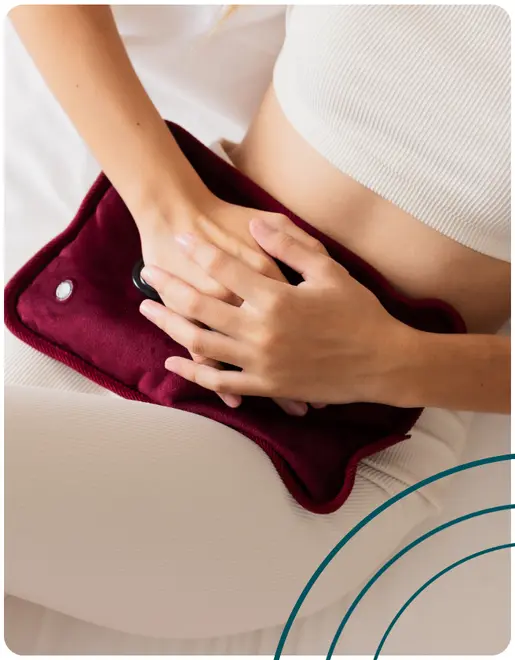
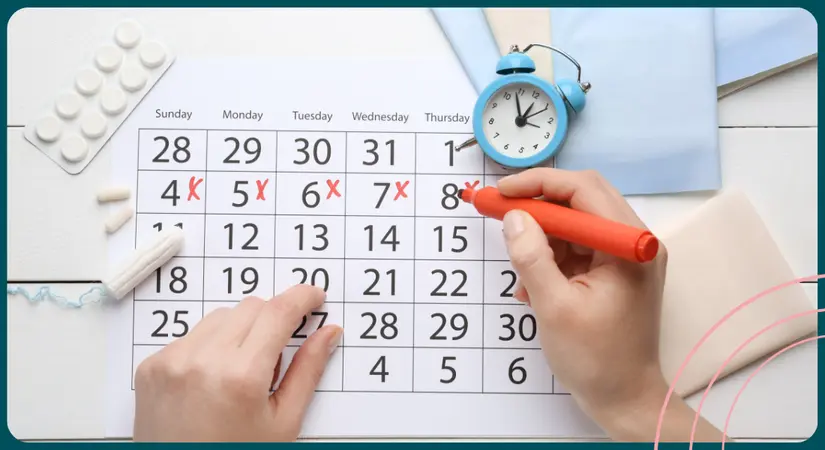
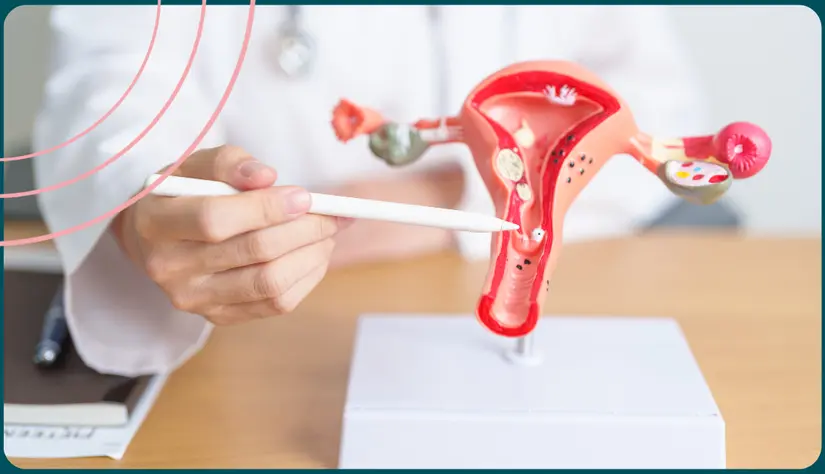
Heavy periods, or menorrhagia, affect one in five women and can significantly disrupt daily life. This condition involves excessive or prolonged blood flow during menstruation, often accompanied by severe pain (dysmenorrhoea). For some women, heavy periods mean missing work, cancelling plans, or even avoiding leaving home. The good news is that effective treatments are available to help you regain control and improve your quality of life.
Heavy periods can occur at any stage of life but are most common during the teenage years and approaching menopause. They may be caused by:
Heavy periods are not just an inconvenience—they can lead to anaemia (low blood count), causing exhaustion and putting stress on your heart and other organs. It’s essential to seek help to rule out underlying conditions, address symptoms, and improve your quality of life.
During your consultation, we take the time to understand your symptoms and health history. Your doctor may ask about:
A medical examination will follow, which may include:
Heavy periods are not something you just have to ‘put up with.’ They can take a toll on your quality of life, and in some cases, they may signal underlying health conditions that need attention. Seeking professional advice can make all the difference.
From tailored medication to cutting-edge treatments like intrauterine devices (IUDs) and endometrial ablation, there are solutions to help you regain control. At Marble Arch Health, Dr. Orla Conlon and her team are committed to understanding your individual needs and guiding you toward the best care options.
If heavy periods are affecting your life, don’t hesitate to reach out for support. Email info@marblearchhealth.com to schedule a consultation with Dr. Conlon and take the first step towards lighter, easier periods.
For many women, non-invasive approaches can provide relief:
When medications are not effective, surgical options may be considered:
For more severe cases or when fertility is not a concern:
A period is considered heavy if you soak through pads or tampons quickly, experience flooding, or pass large clots regularly.
Some underlying causes, such as fibroids or polyps, can impact fertility. Treating these conditions often improves chances of conception.
Hormonal treatments like the IUS or pills are safe for most women, but suitability depends on factors such as age, weight, and smoking status.
A hysteroscopy involves inserting a small camera into the womb to identify and treat issues. It is minimally invasive and usually performed as a day-case procedure.
If heavy periods are affecting your daily life, causing severe pain, or leading to symptoms of anaemia like fatigue or dizziness, seek medical advice.
You don’t have to live with the pain and disruption of heavy periods. With compassionate care and tailored treatment options, we’re here to help you regain control of your health and well-being.