

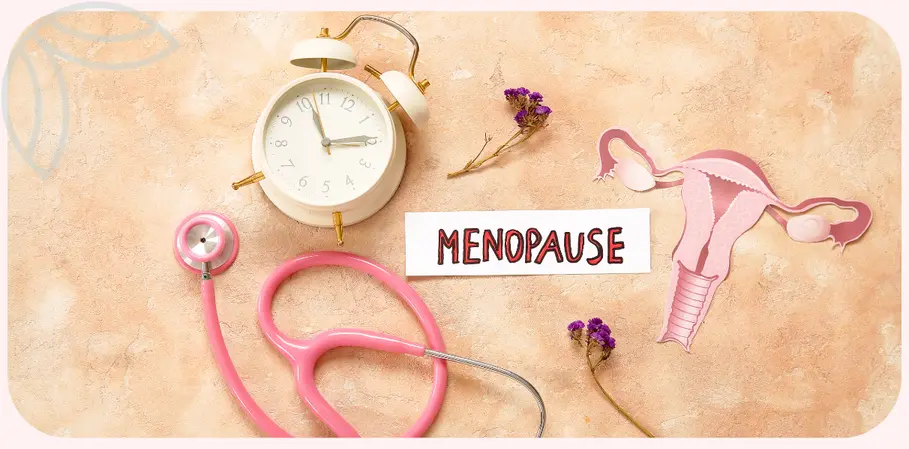


Premature menopause occurs when a woman’s periods stop before the age of 40 due to a decline in ovarian function.
Unlike premature ovarian insufficiency (POI), which may still allow some ovarian function, premature menopause marks the permanent end of menstruation, hormone production, and fertility.
For many women, this unexpected change can be both physically and emotionally challenging, requiring specialised care and support to manage symptoms and protect long-term health.
The symptoms of premature menopause mirror those of natural menopause but occur earlier in life, often catching women off guard.
Early signs may include:
Premature menopause can stem from various factors. Genetic predisposition plays a significant role, as does the impact of autoimmune disorders that attack ovarian tissue. Surgical procedures, such as the removal of ovaries or uterus, as well as cancer treatments like chemotherapy and radiation, can also trigger early menopause. In some cases, chromosomal abnormalities or unknown causes are responsible.
Diagnosis involves a thorough review of your medical history, symptoms, and family background, combined with specific tests. Blood tests measure hormone levels to confirm ovarian function, while pelvic ultrasounds assess the size and health of the ovaries. In certain cases, genetic testing may help identify underlying causes.
While premature menopause cannot be reversed, effective treatments focus on symptom relief and safeguarding long-term health. Hormone Replacement Therapy (HRT) is a common approach, helping to alleviate symptoms like hot flushes, night sweats, and vaginal dryness while protecting bone and heart health. Vaginal oestrogen therapies provide targeted relief for dryness and discomfort, while non-hormonal medications offer alternatives for women who cannot use HRT.
Bone health management is critical, involving calcium and vitamin D supplementation along with weight-bearing exercises. Lifestyle adjustments, such as a balanced diet, regular physical activity, and stress management, further help to maintain overall well-being. For women hoping to conceive, fertility counselling provides options such as egg donation, surrogacy, or adoption.
Premature menopause is the permanent cessation of ovarian function, meaning the ovaries no longer produce eggs or essential hormones such as oestrogen and progesterone, and menstruation ends permanently. In contrast, premature ovarian insufficiency (POI) may allow for intermittent ovarian function, with occasional ovulation and hormone production, although irregular periods are common. Women with POI may still have a chance of natural conception, while those experiencing premature menopause typically face infertility. Both conditions can have significant physical and emotional impacts, which we address with tailored support.
It will depend on the root cause of your premature menopause, for example, if you are taking hormone suppression medications after a cancer diagnosis, then your menopausal symptoms may well reverse when the medications are stopped.
So, while there is no way to reverse premature menopause, it’s important to remember that there are highly effective treatments and strategies to manage its symptoms and associated health risks. Hormone replacement therapy (HRT) can alleviate symptoms such as hot flushes and vaginal dryness, while also helping to protect bone and heart health. Additionally, emotional support through counselling, lifestyle adjustments, and medical interventions can significantly improve quality of life and overall well-being.
Protecting your bones and heart health during premature menopause requires a proactive and comprehensive approach. Hormone replacement therapy (HRT) can play a vital role in maintaining bone density and cardiovascular health by supplementing the oestrogen your body no longer produces. Alongside HRT, calcium and vitamin D supplements are essential for bone strength, while regular weight-bearing exercises such as walking, yoga, or strength training can reduce the risk of osteoporosis. Regular health checks to monitor blood pressure, cholesterol, and bone density are also crucial for long-term health.
For women experiencing premature menopause who wish to conceive, there are several fertility options available. Egg donation is a common pathway, allowing fertilisation through in-vitro fertilisation (IVF) using a donor egg. Surrogacy may be considered if carrying a pregnancy isn’t possible. Additionally, adoption offers a fulfilling alternative path to parenthood. Fertility counselling is a valuable resource to guide you through these options, providing both emotional support and practical advice to help you make an informed decision that feels right for you.
Hormone replacement therapy (HRT) is a highly effective treatment for managing the symptoms and long-term health risks of premature menopause. For most women, it is safe and can significantly improve quality of life by alleviating symptoms such as hot flushes, night sweats, and vaginal dryness while also protecting against osteoporosis and heart disease. However, HRT is not suitable for everyone, particularly those with certain health conditions or cancer histories. Our team carefully evaluates each patient’s medical history to determine whether HRT is the best option and discusses any potential risks to ensure you feel informed and supported in your decision.
The emotional impact of premature menopause can be profound, often bringing feelings of grief, anxiety, or depression, particularly for women who had hoped to conceive or who struggle with the sudden hormonal changes. These feelings are completely valid and deserve attention and care. Counselling can provide a safe and supportive space to explore these emotions, while joining support groups can help you connect with others facing similar challenges. Addressing mental health is a key part of overall well-being, and at Marble Arch Health, we’re here to ensure you have the resources and understanding you need to navigate this journey.
Although there is no way to reverse premature menopause, treatments focus on managing symptoms and protecting long-term health. There are a variety of treatment options, including:

To replace oestrogen and progesterone levels, which can relieve symptoms such as hot flashes, night sweats, and vaginal dryness. HRT also helps protect bone and heart health.
Creams, rings, or tablets that deliver low doses of oestrogen directly to the vaginal area, relieving dryness and discomfort without affecting the whole body.

For women who cannot take hormone therapy, non-hormonal treatments such as antidepressants or medications that reduce hot flashes may be used.
Premature menopause increases the risk of osteoporosis, so we recommend calcium, vitamin D supplements, and weight-bearing exercises to strengthen bones.

Nutritional advice, exercise plans, and stress management techniques to help maintain a healthy weight, improve sleep, and reduce the impact of menopausal symptoms.

For women hoping to conceive, we offer fertility preservation options and guidance on donor egg programs, surrogacy, or adoption, if desired.